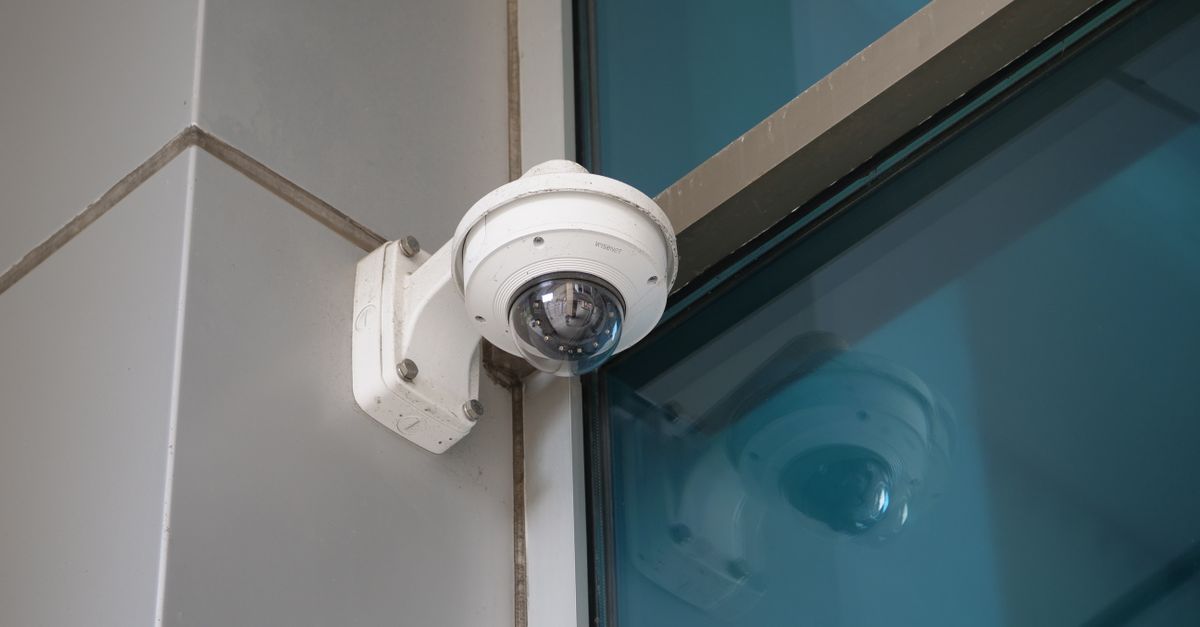
The Role of Central Monitoring Stations in Your Security System
Table Of Contents
Common Features of Modern Monitoring Stations
Modern central monitoring stations are equipped with advanced technology to ensure timely responses to security incidents. Real-time data processing capabilities allow operators to assess situations quickly. High-definition video feeds and audio monitoring enable comprehensive surveillance. Additionally, many stations offer round-the-clock service, ensuring that security alerts are always addressed without delay, no matter the hour.
Enhanced communication systems play a crucial role in the functionality of these monitoring stations. Integration with mobile applications allows users to receive instant notifications and access system controls remotely. Furthermore, user-friendly interfaces facilitate efficient management of different security solutions. These features contribute to the overall effectiveness of monitoring, enhancing both user experience and security outcomes.
Integration with Smart Home Technology
Modern security systems increasingly incorporate smart home technology, offering seamless communication between devices. This integration allows users to manage their security settings alongside other home automation features, such as lighting and climate control. For instance, surveillance cameras can be accessed through smartphone applications, enabling homeowners to monitor their properties in real-time from anywhere. Furthermore, alerts for unusual activity can trigger automated responses throughout the home, enhancing safety and convenience.
Advanced monitoring stations excel at integrating with smart technology to create sophisticated security networks. Cloud-based platforms facilitate communication between security devices and monitoring systems, ensuring that data is collected and analysed efficiently. This connectivity enables central stations to respond swiftly to alarms, while also providing insights through analytics. Homeowners benefit from increased control over their security systems, with tailored solutions that can adapt to changing needs and preferences.
The Importance of Regulatory Compliance
Regulatory compliance is crucial for the operation of central monitoring stations. These facilities must adhere to a variety of regulations set forth by government bodies and industry organisations. Compliance ensures that monitoring stations maintain high standards of security and operational integrity. It also establishes trust with clients, reassuring them that their sensitive information and security measures are being handled with the utmost care and adherence to legal requirements.
In addition to legal mandates, regulatory compliance encompasses best practices relevant to technology and data management. Monitoring stations must continually update their systems to adhere to the latest compliance standards. This includes regular audits and staff training. By prioritising compliance, these stations can enhance their service quality and remain competitive within the ever-evolving security landscape. Compliance not only mitigates legal risks but also fosters a culture of accountability and professionalism.
Meeting Industry Standards and Best Practices
Central monitoring stations play a vital role in ensuring the effectiveness and reliability of security systems. Adherence to industry standards is essential for maintaining high-quality service and operational integrity. Compliance with Australian security guidelines, such as AS2201, helps these stations establish a foundation for their processes, ensuring they meet the demands of customers while also safeguarding sensitive information. Regular audits and assessments enable monitoring stations to verify their practices adhere to established benchmarks, providing clients with peace of mind regarding the security of their premises.
Best practices extend beyond mere compliance, encompassing proactive measures that enhance service delivery. Continuous training for staff is crucial, ensuring they stay abreast of the latest technological advances and procedures. Emphasising a culture of vigilance and response can significantly improve outcomes during security events. By utilising state-of-the-art technology and integrating feedback from clients, monitoring stations can refine their operations, ultimately leading to a more robust security environment that instils confidence in users.
Challenges Faced by Central Monitoring Stations
Central monitoring stations are increasingly challenged by the rapid evolution of technology. The rise in connected devices has expanded the attack surface for cyber threats, requiring monitoring stations to adapt their security protocols continuously. Additionally, the abundance of data generated by these devices can overwhelm resources, making it vital for operators to implement effective strategies for data management and analysis.
Furthermore, the need for integration with various systems presents operational challenges. Not all security technologies are compatible, leading to potential gaps in communication and response times. Training staff to handle these diverse technologies while maintaining high operational standards adds another layer of complexity. The pressure to keep up with regulatory changes and industry standards amplifies these challenges, making it crucial for monitoring stations to remain agile and resilient.
Adapting to Evolving Security Threats
The landscape of security threats is constantly changing, driven by advancements in technology and increasingly sophisticated criminal tactics. Central monitoring stations must remain vigilant and adaptable, employing cutting-edge methods to identify and respond to potential breaches. Utilising artificial intelligence and machine learning, these stations enhance their ability to detect anomalies in real-time. Continuous training for staff ensures they are well-prepared to handle new and evolving threats effectively.
Maintaining a proactive approach is crucial for central monitoring stations. Regular assessments of their systems and protocols help identify weaknesses that could be exploited. Collaborative efforts with law enforcement and other security entities further strengthen their capabilities. By engaging in knowledge-sharing initiatives, these stations can stay informed about emerging risks and innovative countermeasures, creating a robust security environment for all clients.
FAQS
What is a central monitoring station?
A central monitoring station is a facility that monitors security systems for residential and commercial properties, receiving alerts and responding to alarms triggered by these systems.
How do central monitoring stations integrate with smart home technology?
Central monitoring stations can connect with smart home devices, allowing for real-time monitoring and control of security systems, which enhances the overall security and automation of a property.
Why is regulatory compliance important for central monitoring stations?
Regulatory compliance ensures that monitoring stations adhere to industry standards and legal requirements, which helps maintain the integrity and reliability of their services and protects consumers.
What challenges do central monitoring stations face today?
Central monitoring stations face challenges such as adapting to evolving security threats, increasing demand for advanced technologies, and ensuring data privacy and cybersecurity.
How can I choose the right central monitoring station for my security system?
To choose the right central monitoring station, consider factors like their accreditation, technology integration capabilities, response time, customer reviews, and compliance with industry standards.
Related Links
Tips for Maximising the Effectiveness of Your Monitored AlarmComparing Monitored and Unmonitored Alarm Systems
Top Providers of Monitored Alarm Systems in Western Australia
How to Switch to a Monitored Alarm System in Your Perth Home
Key Features to Look for in Perth Monitored Alarm Systems