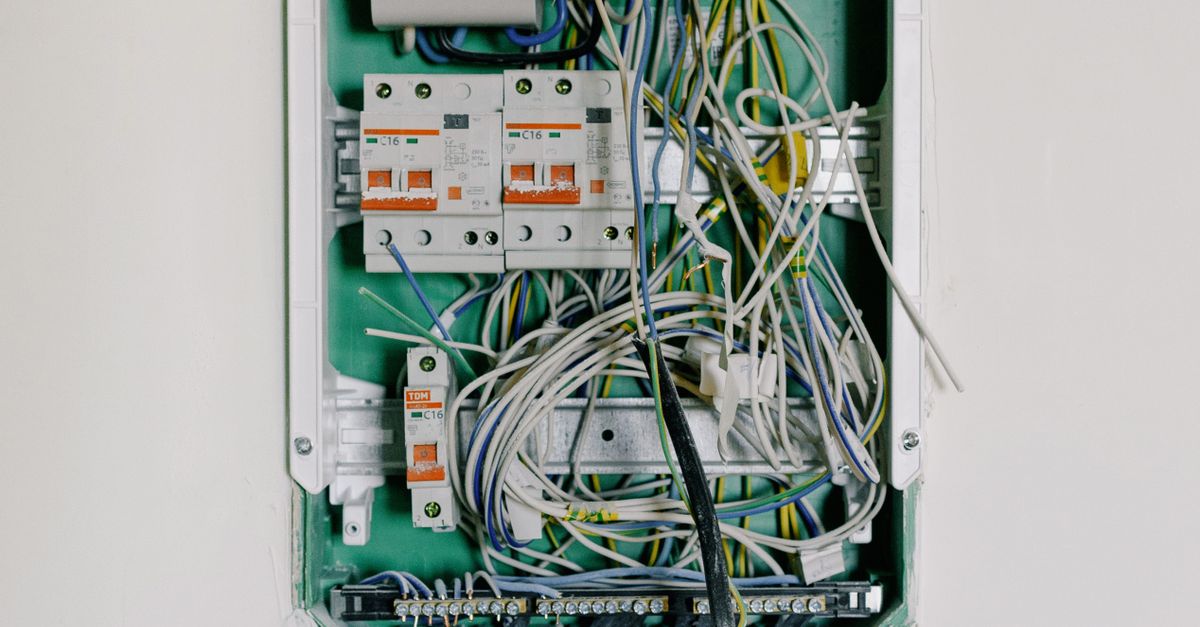
Home Automation and Smart Alarm System Compatibility
Table Of Contents
Wireless vs. Wired Alarm Systems
Alarm systems can be broadly categorised into wireless and wired options, each with unique features that cater to different needs. Wireless alarm systems use radio frequency signals to communicate with their central hub, allowing for easy installation without complicated wiring. This set-up provides flexibility in placement and is less intrusive, making it ideal for homes without existing infrastructure for security systems.
On the other hand, wired alarm systems establish a connection through physical cables, offering increased reliability and typically better performance in terms of response times. These systems are often preferred for new builds or substantial renovations where installation can be seamlessly integrated. However, they may involve higher upfront costs and more extensive installation processes compared to their wireless counterparts, which can discourage some homeowners.
Pros and Cons of Each Type
Wireless alarm systems offer the advantage of easy installation, as they eliminate the need for extensive wiring. This flexibility allows homeowners to place sensors and cameras wherever needed without significant structural modifications. Additionally, these systems can often be expanded with new devices, adapting to the changing needs of a smart home. However, they may be vulnerable to interference from other wireless devices and can be dependent on battery life, requiring regular maintenance to ensure reliability.
Wired alarm systems typically provide a more stable and reliable connection, with less risk of interference. Their connection is generally more secure, making them a preferred choice for those prioritising security. Installation can be more complex and time-consuming, often requiring professional assistance. These systems may not be as easily expandable as wireless options, limiting the capacity for scaling to new smart home technologies or features.
Smart Home Protocols and Standards
A variety of smart home protocols and standards exist to ensure seamless communication between devices. Z-Wave and Zigbee are two widely used wireless communication protocols designed for smart home networks. They facilitate the operation of connected devices by enabling them to communicate efficiently while maintaining low power consumption. Both protocols support a mesh network topology, which enhances reliability and range by allowing devices to relay signals to one another.
In addition to these, Wi-Fi and Bluetooth are also common choices that cater to different functionalities and user needs. Wi-Fi, while offering broad coverage and high data rates, can sometimes consume more power, making it less suitable for battery-operated devices. On the other hand, Bluetooth is often favoured for short-range connections. Understanding these protocols helps consumers make informed decisions when choosing devices for their home automation systems, ensuring they achieve the desired compatibility and functionality.
How They Influence Device Compatibility
Smart home protocols and standards play a crucial role in determining how different devices connect and communicate within a smart ecosystem. Various standards such as Z-Wave, Zigbee, and Wi-Fi vary in terms of range, power consumption, and speed, influencing the selection of compatible devices. Those utilising a specific protocol may face limitations when trying to integrate products that adhere to different communication standards. Consequently, ensuring that devices can seamlessly exchange information is vital for an effective smart alarm system.
When selecting a smart alarm system, compatibility with existing smart home technology is an important consideration. Each protocol often has its own ecosystem of products, which can restrict choices if users want to incorporate their security system with other smart devices. Proprietary systems may offer advanced features but can limit integration with third-party devices. An understanding of these standards helps users create a more cohesive and functional smart home experience.
Setting Up Your Smart Alarm System
When integrating a smart alarm system into your home, the initial step involves ensuring compatibility with existing devices. Assess which smart home protocols your current devices utilise, as this can simplify the connection process and prevent potential integration issues. For those without existing smart home technology, researching reliable alarm systems that offer broader compatibility with various protocols can enhance your options for other smart devices in your home.
Once you have selected the appropriate smart alarm system, gather all necessary tools before you start the installation process. Follow the manufacturer's guidelines closely, as they typically provide clear instructions for wiring, mounting, and connecting to your home network. Testing the system after installation is crucial to ensure it functions properly and integrates seamlessly with other smart devices, providing you with a cohesive smart home environment.
Step-by-Step Installation Guide
Begin by locating the central control panel and mounting it at a convenient height, typically between 1.2 to 1.5 meters off the ground. Ensure it is close to a power source and within range of your Wi-Fi router for a strong connection. Follow the manufacturer's instructions to secure it properly. Next, install motion detectors in key areas of your home, such as entry points and large rooms, ensuring they are unobstructed for optimal performance. Test their angle and range after installation to confirm effective coverage.
For the door and window sensors, attach the magnetic strips to the frame and moving parts of the doors or windows. Make sure the sensors align correctly when closed. After setting up the sensors, download the associated app for your smart alarm system. Create an account if prompted and follow the in-app instructions to connect each device to your Wi-Fi network. This step involves scanning QR codes or entering identification codes for each component. Once all devices are online, name them for easy monitoring and establish notification preferences for alerts.
FAQS
What is the difference between wireless and wired alarm systems?
Wireless alarm systems use radio signals to communicate between devices, making them easier to install and relocate, while wired systems rely on physical cabling for connectivity, often providing more reliability and stability.
What are the pros of using a wireless alarm system?
The advantages of wireless alarm systems include easier installation, greater flexibility in placement, and the ability to expand the system without the need for extensive rewiring.
What are the cons of wired alarm systems?
Wired alarm systems can be more complicated and costly to install due to the need for physical wiring. They may also be less flexible in terms of device relocation and upgrades.
How do smart home protocols influence alarm system compatibility?
Smart home protocols like Z-Wave, Zigbee, and Wi-Fi dictate how devices communicate with each other. Compatibility with these protocols ensures that devices can integrate and work together seamlessly within your smart home ecosystem.
What steps should I follow to set up my smart alarm system?
To set up your smart alarm system, start by selecting compatible devices, plan the installation layout, follow the manufacturer’s step-by-step installation guide, connect devices to your smart home hub or app, and test the system for functionality.
Related Links
User-Friendly Smart Alarm System InterfacesUnderstanding Features of Smart Alarm Systems
Installing Your First Smart Alarm System: A Step-By-Step Guide
Case Studies of Smart Alarm System Installations in Perth
The Role of AI in Smart Alarm Systems
Top Smart Alarm Brands Available in Perth
How to Choose the Right Smart Alarm System for Your Needs